Ricotta Cheese…Easy Peasy Lemon Squeezy
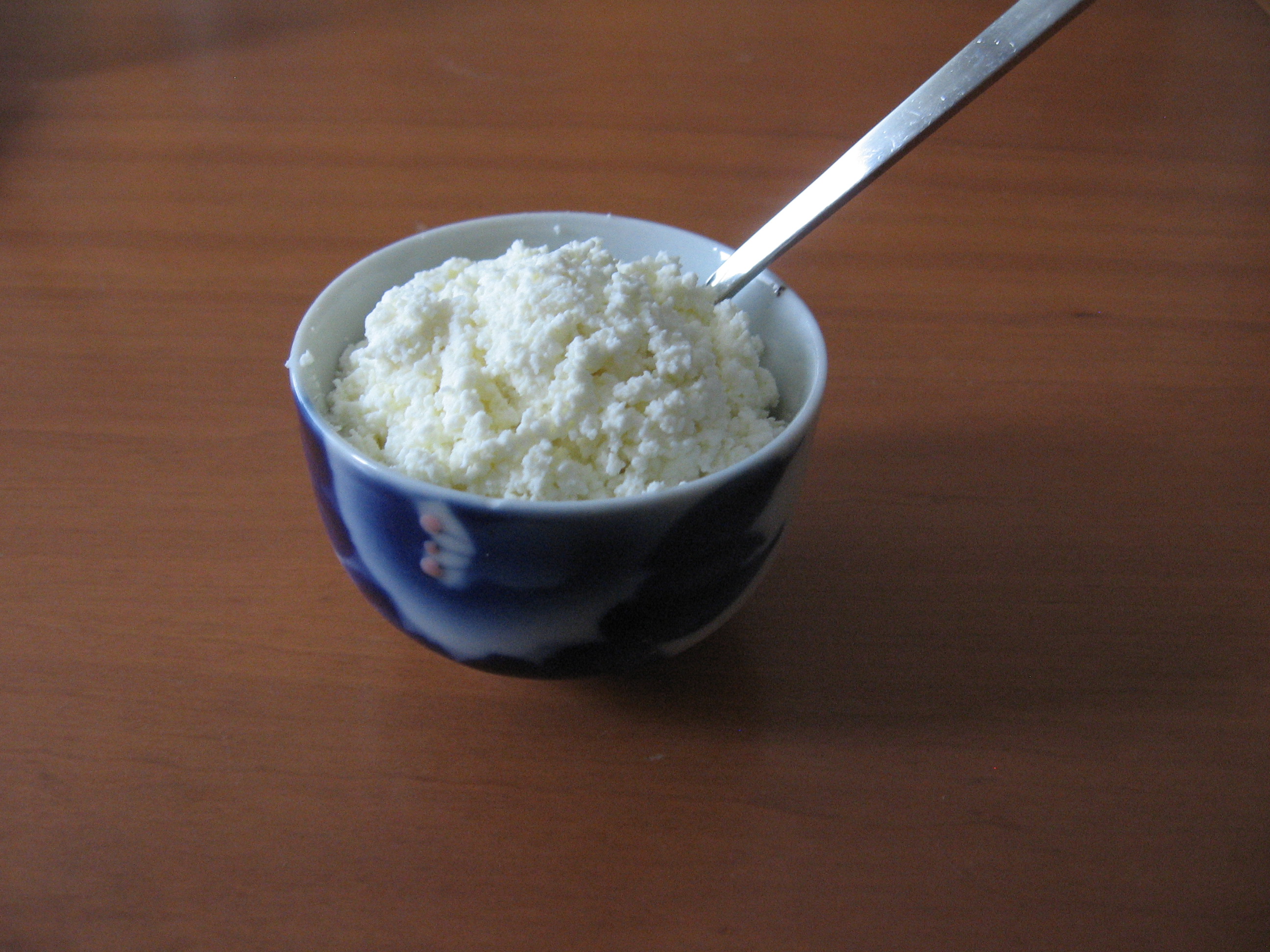
Ricotta cheese is great for making homemade lasagna, adding umph to a sandwich or wrap or just eating on crackers. I noticed several recipes on the web that all received 5 stars. Several had heavy cream as an ingredient but I found one from The Kitchn that just called for whole milk so I decided to try that one first. I suspect the recipes with cream make an excellent spread but this one with whole milk is perfect for lasagna. I borrowed (a lot) of the instructions from The Kitchn…thank you Kitchn folk. The third time I made this I did try it with 1 c. of heavy cream just to see what the difference was. The texture was slightly creamier but that was it so I wouldn’t bother with the cream.
Ingredients:
8 c whole milk
1/3 c lemon juice or 1/3 c distilled white vinegar*
1 tsp salt, optional
*All I had in the cupboard was plain ol’ house brand white vinegar so I checked to see what the deal was with distilled vs. non-distilled and I learned that it is all about the % of acetic acid. White (sometimes called spirit vinegar), has 5% to 20% acetic acid while distilled vinegar has 5%-8% acetic acid. Lucky for me the label indicated 5% acetic acid so I decided to give it a go.
The first time I did this I totally goofed and added both lemon juice and white vinegar…arrrrrgh. I thought I’d totally ruined it but to my surprise it was fine. The citric acid is really just to separate the curds from the whey.
Kitchen Gear
4-quart pot (stainless steel or glass, it needs to be non-reactive)
Instant read thermometer or candy thermometer
Cheese cloth
Strainer
Large bowl
Slotted spoon
Instructions
- Warm the milk to 200°F: Pour the milk into a 4-quart pot and set it over medium heat. Let it warm gradually to 200°F, stirring periodically so it doesn’t scorch. The milk will get foamy and start to steam; remove it from heat if it starts to boil.
- Add the lemon juice (or vinegar) and salt: Remove the milk from heat. Pour in the lemon juice or vinegar and the salt. Stir gently to combine.
- Let the pot of milk sit for 10 minutes undisturbed: After this time, the milk should have separated into clumps of milky white curds and thin, watery, yellow-colored whey — dip your slotted spoon into the mix to check. I didn’t get a lot of clumps but the texture was very much like ricotta. If you still see a lot of un-separated milk, add another tablespoon of lemon juice or vinegar and wait a few more minutes.
- Strain the curds: Set a strainer lined with 2 layers of cheese clothe over a bowl. Using a slotted spoon scoop any big curds out of the pot. Pour the remaining curds and the whey through the strainer. (Removing the big curds first helps keep them from splashing and making a mess as you pour.)
- Drain the curds for 10 to 60 minutes: Let the ricotta drain for 10 to 60 minutes, depending on how wet or dry you prefer your ricotta. If the ricotta becomes too dry, you can also stir some of the whey back in before using or storing it. I let mine strain for 60 minutes and the result was quite dry but it is almost identical to any store bought ricotta I have bought and has a lovely lemony flavour.
- Use or store the ricotta: Fresh ricotta can be used right away or refrigerated in an airtight container for up to a week.
Recipe Notes From The Kitchn
- Making Fresh Ricotta Salata: If you’d like to make a fresh farmer’s cheese (ricotta salata) from this ricotta, wrap it in cheese cloth and press it beneath a weighted plate in the refrigerator overnight.